
Navigating the world of loans can feel overwhelming. Whether you’re looking to buy a home, finance a car, or consolidate debt, the sheer number of options can be paralyzing. Making the wrong choice can cost you thousands in interest and fees, locking you into an agreement that doesn’t fit your financial reality.
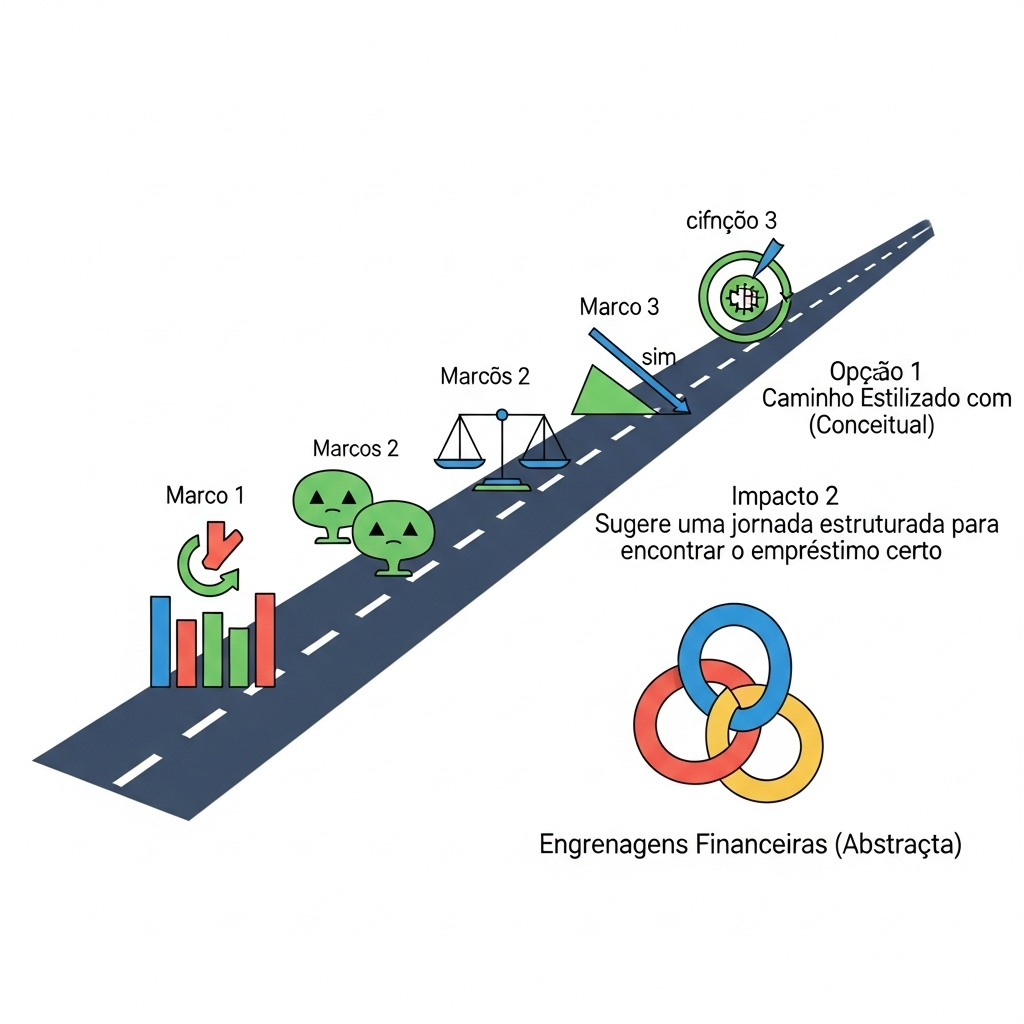
But what if you had a clear, straightforward roadmap? A process that cuts through the noise and empowers you to make a confident, informed decision. That’s exactly what this guide provides.
Forget the financial jargon and confusing terms. We’ll walk you through a simple, three-step process to identify the ideal loan for your unique situation. By the end of this article, you’ll know how to assess your needs, compare lenders like a pro, and scrutinize the fine print to avoid costly surprises.
Step 1: Assess Your Financial Situation and Define Your Needs
Before you even start looking at lenders, the most critical step is to look inward. A loan is a tool, and to use it effectively, you must first understand the job it needs to do and ensure you’re in a position to handle it. This foundational step is all about self-assessment.
Why do you need the loan?
The purpose of your loan is the first filter. Lenders offer specific products for different needs, and using the right one is crucial. A mortgage is for buying property, an auto loan is for a vehicle, and a personal loan offers flexibility for things like debt consolidation or home improvements. Clearly defining your ‘why’ will narrow your search significantly.
How much do you really need?
It can be tempting to borrow a little extra ‘just in case,’ but this is a costly mistake. Borrow only the amount you absolutely need. Every extra dollar you borrow is a dollar you’ll have to pay back with interest. Create a detailed budget for your project or purchase to arrive at a precise figure.
What’s your credit score?
Your credit score is your financial report card, and lenders will check it first. It’s a three-digit number that signals your creditworthiness. A higher score generally unlocks lower interest rates, saving you a substantial amount of money over the life of the loan. You can check your score for free through services like Experian, Equifax, or Credit Karma. Knowing your score upfront gives you a realistic idea of the terms you can expect.
Calculate your Debt-to-Income (DTI) Ratio.
Lenders use your DTI ratio to gauge your ability to manage new monthly payments. It’s calculated by dividing your total monthly debt payments (like rent, credit cards, other loans) by your gross monthly income. A DTI below 36% is generally considered good, though some lenders may go higher. A high DTI can be a red flag, signaling that you might be overextended financially.
Determine what you can truly afford.
Getting approved for a loan is one thing; comfortably affording the payments is another. Look at your monthly budget and determine how much room you have for a new loan payment without straining your finances. A loan should help you achieve a goal, not create constant financial stress. Be realistic and conservative with your estimate.
Step 2: Research, Compare, and Shortlist Lenders
Once you have a clear picture of your financial standing and borrowing needs, it’s time to explore the market. The goal here is to gather multiple offers so you can compare them and find the most favorable terms. Don’t simply accept the first offer you receive.
Understand the types of lenders.
Different lenders have unique pros and cons. Knowing where to look is half the battle.
Traditional Banks: These are the large, established institutions you’re familiar with. If you have a long-standing relationship with a bank, you might get preferential treatment. However, they often have stricter lending criteria and a slower, more paper-intensive application process.
Credit Unions: As member-owned non-profits, credit unions often pass their profits back to members through lower interest rates and fees. They are known for excellent customer service, but you’ll need to meet membership requirements to join, which are often based on location or employer.
Online Lenders: These fintech companies have revolutionized borrowing with streamlined, digital-first processes. They often offer competitive rates and fast funding. The trade-off is a less personal experience, as customer service is typically handled via chat or phone.
Key loan features to compare.
To make a true apples-to-apples comparison, you need to look beyond the monthly payment. Here are the critical factors to evaluate:
Annual Percentage Rate (APR): This is the most important number. The APR represents the total cost of borrowing per year, including the interest rate plus most fees. It gives you a more complete cost picture than the interest rate alone. Always compare loans based on their APR.
Loan Term: This is the length of time you have to repay the loan. A shorter term means higher monthly payments but less total interest paid. A longer term results in lower monthly payments but significantly more interest paid over the life of the loan. Choose the shortest term you can comfortably afford.
Fees: Read the fine print for hidden costs. Look out for origination fees (a percentage of the loan amount for processing), prepayment penalties (a fee for paying the loan off early), and late payment fees. An otherwise great loan can be soured by excessive fees.
Fixed vs. Variable Rates: A fixed-rate loan has an interest rate that stays the same for the entire term, providing predictable monthly payments. A variable-rate loan has a rate that can fluctuate with market conditions. While it might start lower, it could increase later, making your payments less predictable and potentially more expensive.
Leverage the power of pre-qualification.
Most online lenders, banks, and credit unions offer a pre-qualification process. This allows you to see the rates and terms you’d likely qualify for without impacting your credit score, as it only requires a ‘soft’ credit check. Getting pre-qualified with at least three to five different lenders is the single best way to ensure you’re getting a competitive deal.
Step 3: Scrutinize the Fine Print and Submit Your Application
You’ve assessed your finances and compared your options. Now you have a front-runner—the lender offering the best combination of a low APR, suitable term, and minimal fees. The final step is to perform your due diligence on the loan agreement before committing.
Read the loan agreement carefully.
This is not a document to skim. The loan agreement is a legally binding contract that outlines all your obligations. Take the time to read every section, and if there’s anything you don’t understand, ask the lender for clarification before you sign. A reputable lender will be happy to explain the terms.
Key sections to review.
Pay special attention to these parts of the agreement:
The Promissory Note: This section details your promise to repay the loan, including the principal amount, interest rate, and total cost of borrowing. Verify that all these numbers match what you were offered.
Repayment Schedule: This outlines when your payments are due each month and for how many months. It should also explain how payments are applied—specifically, how much goes toward principal versus interest each month (amortization).
Prepayment Penalties: If you plan to pay extra on your loan or pay it off entirely before the term ends, this clause is vital. Ensure there is no penalty for prepayment, as it gives you the flexibility to save on interest by paying off your debt faster.
Default and Late Payment Clauses: Understand the consequences of a missed payment. This section will detail late fees, potential increases in your interest rate, and the conditions under which the loan is considered in default. Knowing this can help you avoid serious financial trouble.
Gather your documents and apply.
Once you are comfortable with the terms, it’s time to move forward with the formal application. You’ll typically need to provide documents to verify your identity, income, and address. Common requirements include a government-issued ID, recent pay stubs or tax returns, and bank statements.
Submitting the formal application will trigger a ‘hard’ credit inquiry, which can cause a small, temporary dip in your credit score. This is why you should only complete this step after you have chosen your final lender based on pre-qualified offers.
After approval.
Once your loan is officially approved, the funds will be disbursed. The method and timeline depend on the lender and loan type. The final action is to set up your payments, preferably through automatic withdrawal to ensure you never miss a due date.
Conclusão
Finding the ideal loan isn’t about luck; it’s about a methodical approach. By following these three essential steps—assessing your needs, comparing your options, and scrutinizing the details—you transform a potentially stressful process into an empowering financial decision.
Remember that the best loan isn’t always the one with the lowest advertised interest rate. It’s the one with the most favorable APR, a manageable term, and transparent terms that align with your financial goals.
By investing the time to do your homework, you can borrow with confidence, securing a financial tool that helps you move forward, not hold you back.